










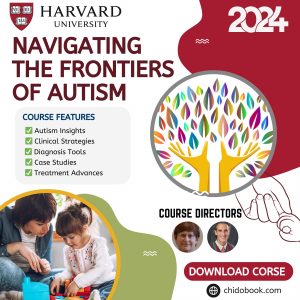
Harvard Navigating the Frontiers of Autism 2025
Rates of autism spectrum disorder (ASD) diagnoses continue to rise across the lifespan, creating a need to build capacity for multi-disciplinary clinical services. At the same time, public discourse around neurodiversity, disability rights, and politicization of questions regarding the cause of autism has led to increases in controversy. Clinicians are seeking a comprehensive and evidence-based understanding of autism that reflects cutting-edge science and the real-world systems patients navigate. This course offers a timely and multifaceted exploration of ASD, grounded in current U.S. policy debates and health care challenges.
Participants will gain an up-to-date overview of disability policy as it relates to autism research and care. Faculty will discuss best practices in assessment and diagnosis, with particular focus on recognizing ASD across diverse populations and in the presence of comorbid conditions such as ADHD. Attention will also be given to the growing awareness and clinical implications of autism in adulthood — a population often overlooked in traditional pediatric-focused models of care. Finally, methods of working with minoritized autistic youth will be explored, to improve their access to care and facilitate positive outcomes when interacting with the community.
Given ongoing national conversations about disability justice, inclusive education, insurance coverage, and access to services, the course integrates a practical understanding of relevant policy and clinical care models to help clinicians better support patients and families navigating these systems. The agenda culminates in a powerful lived experience interview, offering clinicians a direct window into the personal, social, and systemic dimensions of life with autism.
This course is designed for mental health professionals, primary care physicians, and other health care providers seeking to enhance their clinical care through a deeper, policy-informed, and person-centered understanding of autism across the lifespan. By integrating research, policy, and patient narrative, this course will equip clinicians to provide informed, respectful, and evidence-based care to ASD patients in today’s complex social and political environment.
Learning Objectives
- Discuss several challenges and opportunities in national disability rights policy in the context of autism.
- Summarize the key components of an effective diagnostic evaluation for ASD, and identify appropriate psychometric measures to support diagnostic evaluation, including patients from racial, ethnic and linguistic minorities.
- Differentiate between the core symptoms of ASD and ADHD, and review evidence-based treatment strategies that address the unique needs of patients with comorbid presentations.
- Review the clinical presentation, assessment and management of ASD in adults.
- Identify key community partners and specialized supports for autism in adults.
- Demonstrate an improved understanding of what we know from research regarding the experiences of Black autistic girls, diagnostic challenges, research gaps, and future needs.
Who should takes the course
- Psychologists
- Social workers
- Counselors
- Psychiatrists
- Family Therapists
- Specialty Physicians
- Primary Care Physicians
- Other
- Nurses
- Physician Assistants
Schedule
Friday, November 7, 2025
Faculty
Director, Neurodevelopmental Clinic and Director of Clinical Research in Child Psychiatry, Cambridge Health Alliance/Cambridge Hospital
Associate Professor of Psychiatry, Harvard Medical School
Child and Adolescent Psychiatrist, Cambridge Health Alliance
Assistant Professor of Psychiatry, Part-time, Harvard Medical School
Director, Continuing Education in Psychiatry, Cambridge Health Alliance
Associate in Psychiatry, Harvard Medical School
Adjunct Assistant Professor, Department of Psychiatry, University of Iowa Hospital
Co-Director, Autism Integrated Medical Services at Pacific Autism Family Network
Senior Principal Scientist, Center for Autism Research, Children's Hospital of Philadelphia
Assistant Professor of Psychology in the Department of Psychiatry, Harvard Medical School



3 reviews for Navigating the Frontiers of Autism 2025