

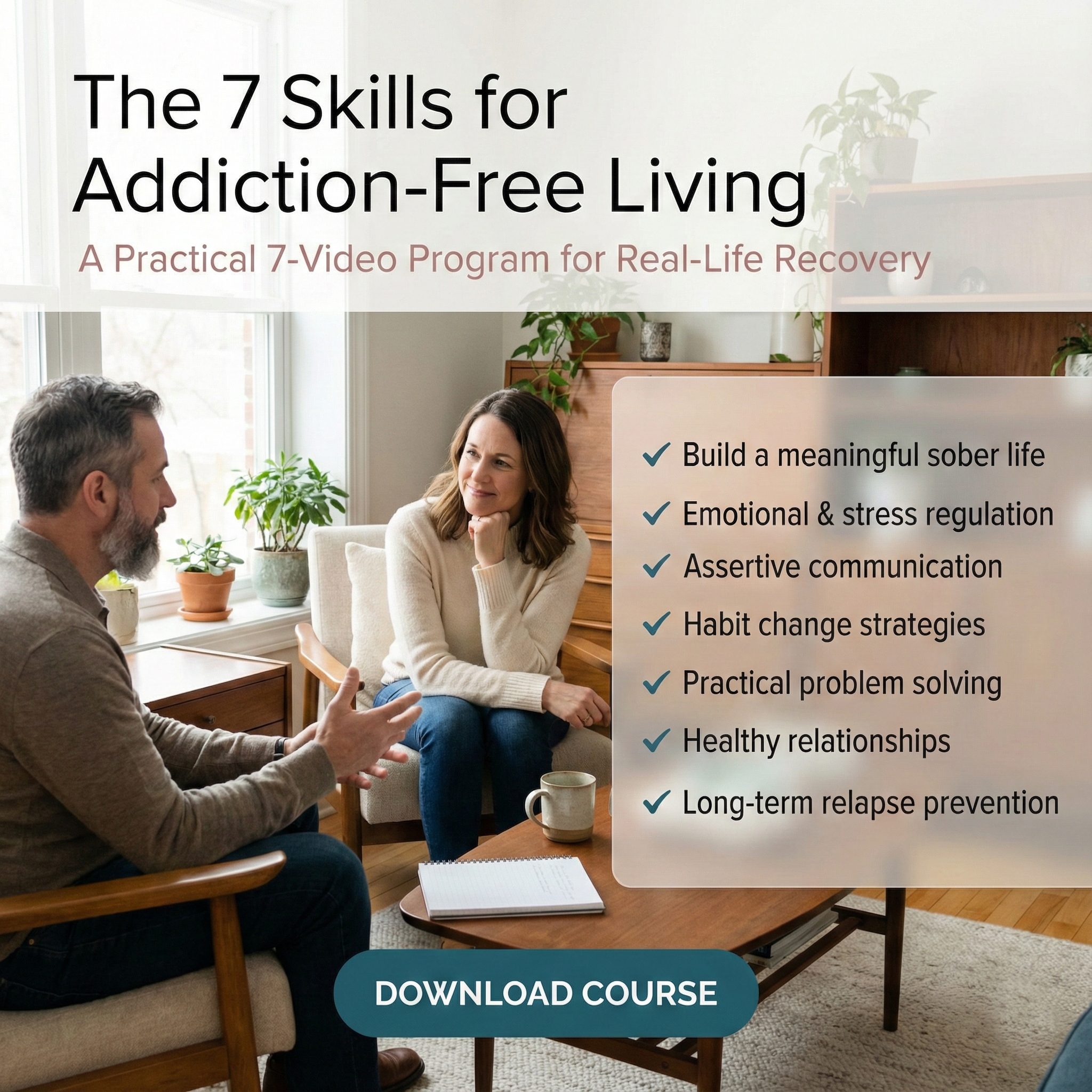



The 7 Skills for Addiction-Free Living: 7-Video Series
Recovery from drug or alcohol abuse is a challenging endeavor that benefits from continued support and education. This 7-video series takes a group of people in recovery through a set of exercises targeted at increasing competence in areas such as assertiveness, problem solving, social skills, stress management, and more.
This series is geared primarily towards people in recovery as well as their family members and loved ones. It is also an excellent resource for educators and trainers in addiction counseling programs, as well as staff at recovery treatment centers. Therapists in private practice will want this in their library to lend to clients struggling with substance abuse.
Who should takes the course
- Psychologists
- Psychiatrists
- Counselors
- Social Workers
- Licensed Clinical/Mental Health Counselors
- Addiction Counselors
- Psychotherapists
- Therapists
- Case Managers
What you will learn
Alternatives to Substance Abuse
For many people in recovery from substance abuse, one of the most challenging aspects of living a sober life is learning how to “fill the void” previously occupied by drugs and alcohol with activities that are pleasurable, healthy and meaningful.
In this supportive video, Robert Meyers and Jane Ellen Smith help viewers and participants develop the skills necessary to make significant lifestyle changes, as they lead them on a captivating exploration of alternatives to substance use.
With the help of a live studio audience of men and women in various stages of recovery, Meyers and Smith take viewers through various exercises and a step-by-step process that focus on helping them restructure their lifestyle and make life without alcohol and drugs not only healthy and satisfying, but also fun.
With the guidance of Robert Meyers and Jane Ellen Smith, viewers will have the opportunity to:
• Brainstorm a list of pleasurable activities that they would like to incorporate into their life
• Rate various areas of their life on a happiness scale and identify steps to increase their happiness
• Learn how to overcome obstacles that might get in the way of making these big lifestyle changes
• Develop the communication skills that will enable them to create a rewarding social life that supports them in their recovery and overall well-being
Assertiveness
Dr. Alberti explores this topic with the help of a live studio audience of men and women grappling with different issues in the stages of recovery from substance abuse. Through role-plays and discussion, he teaches a step-by-step process for how to become a more assertive person, demonstrating respect for yourself and the other person. Exercises focus on essential aspects of assertiveness training such as nonverbal behavior, saying no, using “I” messages, and, most importantly, remembering that you have a right to stand up for yourself.
By watching this video viewers will:
• Learn how to say no and express themselves more easily, firmly and powerfully without demeaning others.
• Develop the skills and attitude that will help them overcome obstacles to standing up for themselves.
• Gain more self-respect by identifying ways to make choices that support them in living their best life.
Behavioral Self-Control
With the help of a live studio audience in various stages of substance abuse recovery, Dr. Hester walks you through the four steps of behavioral change, starting with setting reasonable goals for change (including cutting back or the “warm-turkey” approach), self-monitoring to see how deeply ingrained those old habits are, choosing rewards for incremental successes, and finally finding new behaviors to take the place of the old ones. Through lively discussion, role-playing, and group and individual exercises, you will learn how to successfully achieve long-term changes to even those bad habits you have felt stuck with for years or decades.
By watching this video the audience will:
• Learn how to set reasonable goals for changing or eliminating problematic behavior patterns;
• Practice self-monitoring of their habitual behaviors to discover their effects on their life;
• Discover “new roads” to the lifestyle they wish to have, by identifying healthy behaviors that will reward them in the same way old habits did.
Managing Emotions
In this video, a live studio audience of men and women in various stages of recovery engage in honest discussions about their own challenges with recognizing and taking responsibility for their emotions. Palanca then guides participants and viewers through exercises in dealing with anger, shame, guilt, and grandiosity—difficult emotions that are especially common among people in recovery.
With Palanca’s expert guidance, viewers will learn to:
• Recognize emotions that are often overwhelming and confusing
• Successfully manage their emotions as they arise
• Utilize self-talk to “deflate” strong negative emotions
• Express feelings effectively to other people in order to achieve positive outcomes in difficult situations
Problem Solving
In this empowering video, therapist Terrence Real breaks down the process of problem solving to five manageable steps: defining the problem, visualizing solutions, dealing with obstacles, identifying sources of help, and making an action plan. With a live studio audience in various stages of substance abuse recovery, Real helps participants and viewers alike tackle a range of problems, from unsatisfying romantic relationships to troubled children, from poor study skills to unclear career paths. Learn along with the studio audience as they move from frustration to clarity and optimism in just a few short hours, thanks to Real’s expert guidance.
By viewing this video, you will:
- Learn to define the problems you face and answer the question of whether change or acceptance is the right solution;
- Get creative in generating potential solutions;
- Distinguish between internal and external factors of a problem, and choose strategies for handling each;
- Practice laying out short-term and long-term action plans, including dealing with obstacles and identifying internal and external resources to help you.
Social Skills
In this video, addiction psychologist Lorraine Collins illuminates the fundamental social skills needed to start and strengthen rewarding relationships with new friends. With a live studio audience in various stages of substance abuse recovery, Collins leads useful role-plays in starting conversations with strangers, giving and receiving criticism, and asking for help from friends and acquaintances. These are the skills people often assume everyone has, and yet no one was ever properly taught. Clients can practice and learn with the video participants as they find new ease and confidence in building their communities.
By viewing this video, you will:
- Identify tricks to initiating and ending casual conversations in any situation;
- Practice strategies for offering constructive feedback to resolve conflicts;
- Rehearse accepting and considering criticism;
- Learn how to strengthen new friendships by requesting and reciprocating emotional and practical support.
Stress Management
In this video, renowned psychologists Jon Carlson and Judy Lewis offer four simple yet effective strategies for managing stressful situations, from paying bills to planning weddings. With a live studio audience in various stages of substance abuse recovery, Carlson and Lewis walk participants through relaxation exercises, lifestyle adjustment strategies, thought pattern correction methods, and the creation of action plans for preventing stressful circumstances. You’ll come away with a renewed confidence in your ability to manage stressful situations without jeopardizing your recovery.
By viewing this video, you will:
- Learn two relaxation and meditation strategies for use in any situation;
- Discover the importance of creating good habits for diet, exercise, and sleep that improve the body’s ability to handle normal daily stress;
- Identify common stress-creating thought patterns and practice techniques to replace these with stress-relieving thoughts;
- Make plans to cope with and prevent future stressful situations you encounter in your day-to-day life.
Meet the Course Experts:
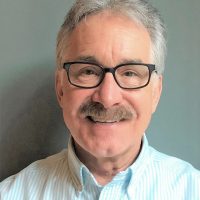
Robert J. Meyers, PhD, is the Director of Robert J. Meyers, PhD, and Associates, and an Adjunct Research Associate Professor of Psychology at the University of New Mexico, where his primary affiliation is with the Center on Alcoholism, Substance Abuse, and Addictions. He has published dozens of scientific articles and several books, including Get Your Loved One Sober: Alternatives to Nagging, Pleading and Threatening.
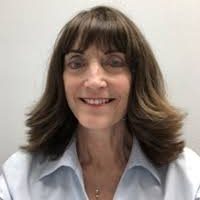
Jane Ellen Smith, PhD, is a Professor in the Psychology Department at the University of New Mexico in Albuquerque, where she is also the Director of Clinical Training. She is the coauthor of Clinical Guide to Alcohol Treatment: The Community Reinforcement Approach, with Robert J. Meyers.
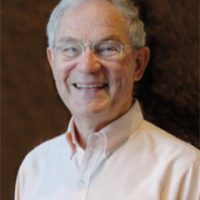
Robert Alberti, PhD, is a psychologist, editor, consultant, Fellow of the American Psychological Association, and Clinical Member of the American Association for Marriage and Family Therapy. He is the author of several books, including the million-copy bestseller Your Perfect Right: Assertiveness and Equality in Your Life and Relationships.
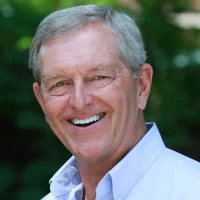
Reid Hester, PhD, is the Director of the Research Division of Behavior Therapy Associates in Albuquerque, New Mexico. His professional career balances clinical work with consultation, research, and training in empirically supported approaches in substance abuse treatment. He has written three books and 37 other publications in the area of substance abuse prevention and treatment. Dr. Hester has been a technical adviser and consultant to the World Health Organization (WHO), the National Institute on Alcohol Abuse and Alcoholism (NIAAA), and the National Institute on Drug Abuse (NIDA).
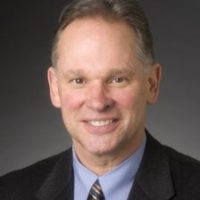
Peter Palanca is the executive vice president and chief operating officer of Treatment Alternatives for Safe Communities, a nonprofit agency serving people with substance use and mental health disorders. A lifelong teacher and mentor to many, Palanca also holds a faculty appointment as senior lecturer of Addiction Studies at Governors State University.
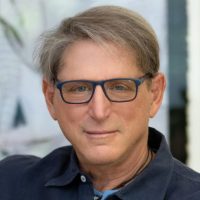
Terrence Real, MSW, has been a practicing family therapist for more than twenty years and has lectured and given workshops across the country. A senior faculty member of the Family Institute of Cambridge in Massachusetts and a retired Clinical Fellow of the Meadows Institute in Arizona, Real is also a bestselling author of several books, including I Don’t Want to Talk About It: Overcoming the Secret Legacy of Male Depression, and The New Rules of Marriage: What You Need to Make Love Work. His work has been featured on NBC Nightly News, Today, Good Morning America, and Oprah, as well as in The New York Times, Psychology Today, Esquire, and numerous academic publications.
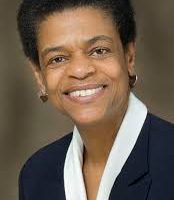
Lorraine Collins, PhD, is the Associate Dean for Research at SUNY-Buffalo’s School of Public Health and Health Professions, and Professor in the Department of Community Health and Health Behavior. A former research scientist with the Research Institute on Addictions, Collins has published widely in scholarly journals. Her research focuses on nicotine, marijuana, and alcohol addictions.
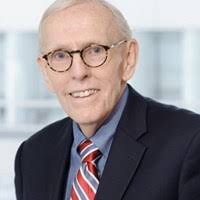
Jon Carlson, PsyD, EdD (1945-2017) was distinguished professor of psychology and counseling at Governors State University, University Park, Illinois. He was the author of 40 books, 150 journal articles, and the developer of over 200 videos featuring today’s leading experts in the fields of psychotherapy, family therapy, brief therapy, substance abuse and treatment, parenting and couples education. Carlson received the distinguished Services awards from the American Psychological Association, the American Counseling Association, International Association of Marriage and Family Counselors, and the North American Society of Adlerian Psychology. He was named one of five “Living Legends in Counseling” in 2004 by the American Counseling Association.
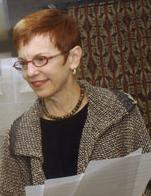
Judy Lewis, PhD, is a former Professor and Chairperson of the Department of Addictions and Behavioral Health at Governors State University, Illinois. She is past president of both the American Counseling Association and the International Association of Marriage and Family Counselors.
Reviews
There are no reviews yet.