



Help Clients Turn Positive Experiences Into Lasting Inner Strengths
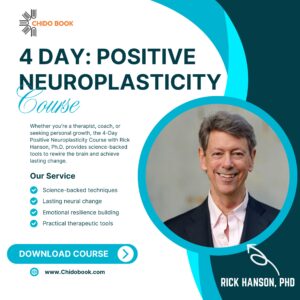
Train with Rick Hanson, Ph.D. and explore science-backed Positive Neuroplasticity strategies designed to help clinicians work more skillfully with anxiety, depression, trauma, shame, motivation, relationships, and lasting psychological resources.
Positive brain change for more effective clinical work
This course recording gives helping professionals an opportunity to train with Dr. Hanson and learn accessible practices for assessing clients, identifying the psychological resources they need, and helping positive experiences become more durable inner strengths.
Positive Neuroplasticity
Explore how experience-dependent neuroplasticity can be used clinically to help clients develop lasting psychological resources.
Practical Clinical Tools
Learn accessible practices for working with anxiety, depression, trauma, shame, motivation, self-worth, and relationships.
Lasting Inner Strengths
Learn how to help clients turn beneficial experiences into resources that can support healing, growth, and resilience.
Special Populations
Explore applications for couples, children, addiction, trauma, mindfulness, depression, and other clinical situations.
Turn beneficial experiences into lasting traits
The course teaches Rick Hanson’s HEAL framework as a structured way to help clients notice, deepen, internalize, and connect positive experiences with difficult material.
Have a beneficial experience and bring helpful psychological material into awareness.
Increase the duration, intensity, embodiment, novelty, and salience of the experience.
Support the internalization of the experience by engaging the brain’s memory-making processes.
Use positive material to soothe, contextualize, and help work with negative material.
Core clinical outcomes from the 4-day training
The seminar focuses on practical ways to assess clients, teach Positive Neuroplasticity, strengthen psychological resources, and apply the HEAL framework across a range of clinical concerns.
Anxiety, Depression, Trauma & Shame
Use Positive Neuroplasticity concepts and practices in work with common psychological challenges.
Better Resource Assessment
Identify which psychological resources clients may need most to improve clinical outcomes.
Strengthen Positive Experiences
Help clients turn experiences of safety, satisfaction, connection, accomplishment, and self-worth into inner resources.
Work With Negative Material
Learn ways to use positive psychological material to soothe, contextualize, and work with painful experiences.
Build Calm Strength
Practice resources related to safety, agency, protection, refuge, self-compassion, and resilience.
Support Motivation & Connection
Explore clinical practices related to goals, satisfaction, empathy, relationships, and self-worth.
Detailed objectives
A comprehensive Positive Neuroplasticity curriculum
Open each section to review the major topics and clinical applications covered throughout the training.
The Essence of Positive Neuroplasticity
- The role of psychological resources in dealing with challenges and vulnerabilities.
- The stress-diathesis model: challenges, vulnerabilities and resources.
- Resources in the world, body and mind, with emphasis on mental resources.
- The two-stage process of learning: activation and installation.
- Why experiencing does not automatically equal learning.
The Neuropsychology of Learning
- The brain’s evolved negativity bias.
- Clinical implications of the low conversion of therapeutic experiences into lasting neural change.
- Major mechanisms of experience-dependent neuroplasticity.
- What Positive Neuroplasticity is and how to explain it to clients.
Clients as Active Learners
- Environmental, behavioral and mental factors that increase learning.
- Contextual and engagement factors.
- Helping clients actively engage experiences to deepen learning, healing and growth.
Three Ways to Engage the Mind Productively
- Letting be: observing, accepting and exploring consciousness.
- Letting go: decreasing or releasing negative or traumatic material.
- Letting in: creating, sustaining and increasing positive material.
- Mindfulness and the natural healing sequence of letting be, letting go and letting in.
Teaching Positive Neuroplasticity to Clients
- The science of Positive Neuroplasticity.
- How to guide clients through experiential practices.
- Working through blocks such as distractibility, fear, shame, anxiety, social expectations and trauma.
Having, Enriching & Absorbing Beneficial Experiences
- Notice and create beneficial experiences.
- Five elements of experience: thoughts, perceptions, emotions, desires and actions.
- Deal with “yes, but” responses and other blocks.
- Enrich through duration, intensity, embodiment, novelty and salience.
Linking Positive and Negative Material
- Implicit and explicit memory.
- Consolidation, activation and reconsolidation of negative material.
- Ways to manage negative material by growing resources, associating positive with negative, and working with reconsolidation.
- Self-compassion as a key psychological resource.
Key Psychological Resources & Core Human Needs
- Three fundamental needs: safety, satisfaction and connection.
- Avoiding harms, approaching rewards and attaching to others.
- Responsive and Reactive modes.
- Identifying psychological resources matched to client needs.
Growing Strengths for Safety
- Fear, anger and helplessness as indicators of challenges to safety.
- Blocks to reducing anxiety.
- Calm strength, agency, protection and refuge.
- Special applications to trauma.
Growing Strengths for Satisfaction
- Frustration, loss, boredom and satisfaction.
- Ambition without driven-ness and aspiration without attachment.
- Gratitude, gladness, accomplishment and success.
- Liking and wanting in the brain, motivation, and special applications to addiction.
Growing Strengths for Connection
- Hurt, rejection, loneliness, inadequacy and shame.
- Building greater self-worth and a sense of being cared about.
- Three neural circuits of empathy.
- The “strong heart”: combining kindness and assertiveness, love and power.
Applications & Implications
- Applications to mindfulness training and depression.
- Adapting methods to individual client situations.
- Clinical consequences of economic, cultural and other environmental factors.
- Using psychological resources and the Responsive mode to support greater resilience.
Designed for helping professionals

Rick Hanson, Ph.D.
Rick Hanson, Ph.D., is a psychologist, a Senior Fellow of the Greater Good Science Center at UC Berkeley, and a New York Times best-selling author. His books are available in 28 languages and include Buddha’s Brain, Just One Thing, Hardwiring Happiness, Resilient, Just One Thing Card Deck, and Mother Nurture.
He edits the Wise Brain Bulletin and has numerous online programs. A summa cum laude graduate of UCLA and founder of the Wellspring Institute for Neuroscience and Contemplative Wisdom, he has been an invited speaker at NASA and Google, and at Oxford, Stanford, Harvard, and other major universities, and has taught in meditation centers worldwide.
Dr. Hanson has been a trustee of Saybrook University, served on the board of Spirit Rock Meditation Center, and was president of the Board of FamilyWorks, a community agency. He began meditating in 1974, trained in several traditions, and leads a weekly meditation gathering in San Rafael, California.
His work has been featured on the BBC, CBS, and NPR, and over 140,000 people receive his free Just One Thing weekly newsletter. He enjoys rock-climbing and taking a break from emails. He and his wife have two adult children.
4-Day: Positive Neuroplasticity
A digital seminar featuring audio and video training with Rick Hanson, Ph.D.
Duration
24 Hours 12 Minutes
Format
Audio and Video
Media Type
Digital Seminar
Focus
Positive Neuroplasticity and clinical application
Bring Positive Neuroplasticity into your clinical work
Explore practical ways to help clients strengthen psychological resources, work with difficult material, and turn beneficial experiences into more lasting inner strengths.
DOWNLOAD COURSE


72 reviews for 4-Day: Positive Neuroplasticity