
(8 customer reviews)
Sale!

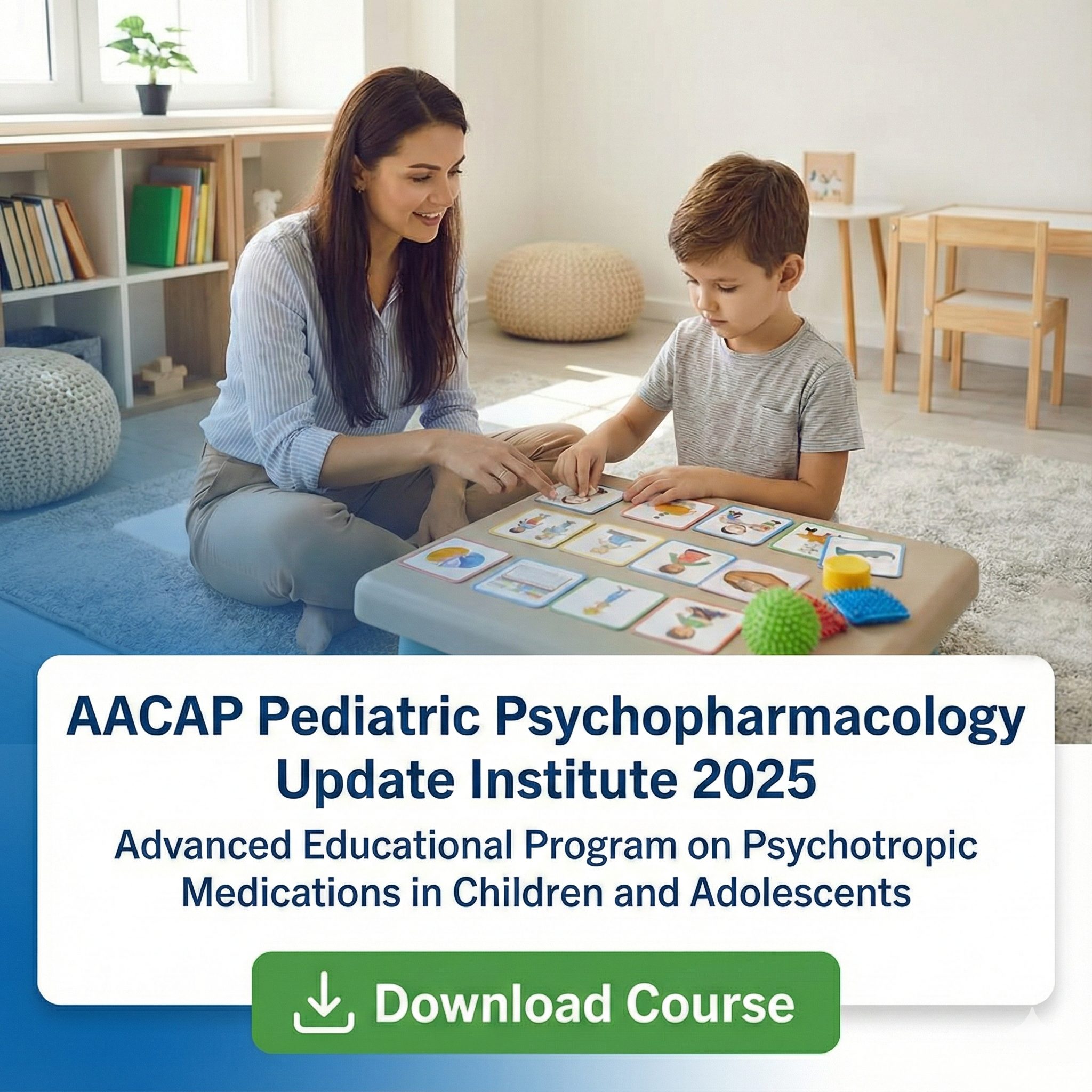
American Academy of Child and Adolescent Psychiatry Pediatric Psychopharmacology Update Institute 2025

Original price was: $760.00.Current price is: $119.95.

American Academy of Child and Adolescent Psychiatry Pediatric Psychopharmacology Update Institute 2025
You're watching: American Academy of Child and Adolescent Psychiatry Pediatric Psychopharmacology Update Institute 2025
(8)
Original price was: $760.00.Current price is: $119.95.
Original price was: $589.00.Current price is: $119.95.
Original price was: $180.00.Current price is: $94.95.
Original price was: $259.00.Current price is: $94.95.
Original price was: $150.00.Current price is: $88.88.
Original price was: $289.00.Current price is: $94.95.
Total: $613.63

✅ Instant Downloads

✅ 24/7 Support

✅ Payments are secure and encrypted

Guaranteed Safe Checkout

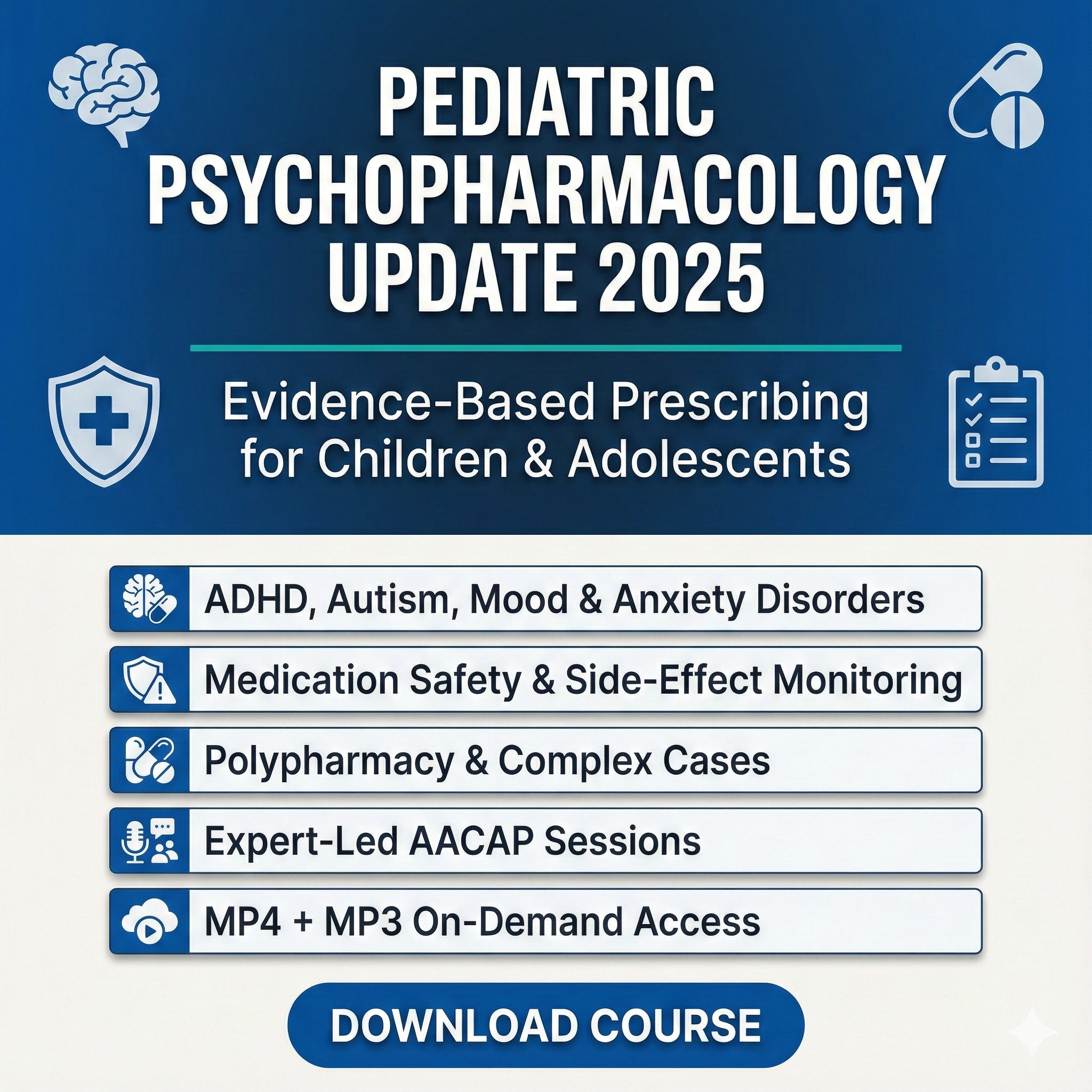
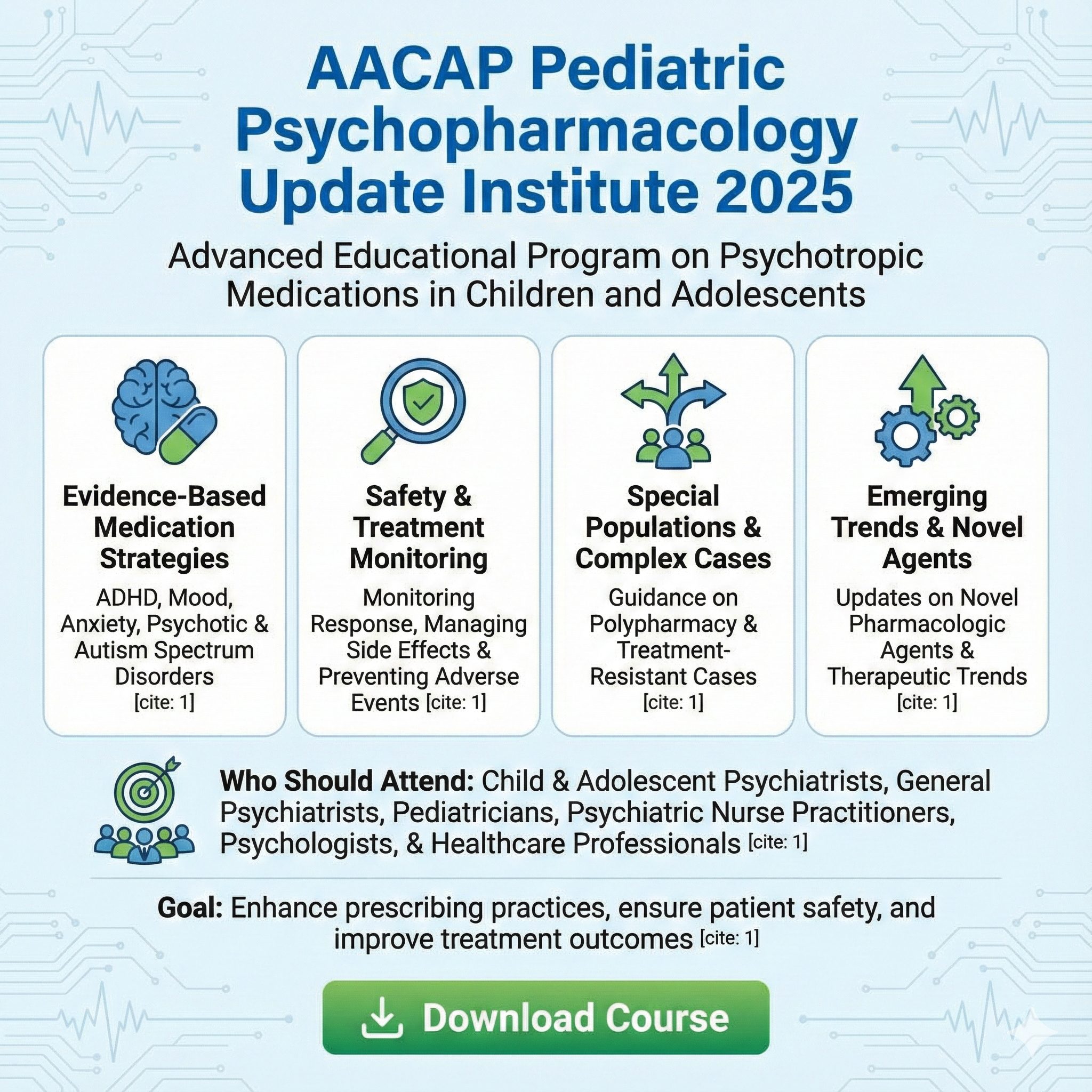
The American Academy of Child and Adolescent Psychiatry (AACAP) Pediatric Psychopharmacology Update Institute 2025 is an advanced educational program delivering the latest evidence-based knowledge on the use of psychotropic medications in children and adolescents. Presented by leading experts in psychiatry and pharmacology, this course blends cutting-edge research with practical, clinically relevant guidance to enhance prescribing practices, ensure patient safety, and improve treatment outcomes for young patients.

With this course you'll learn how to...

  • Current best practices in pediatric psychopharmacology across a range of psychiatric disorders

  • Evidence-based medication strategies for ADHD, mood disorders, anxiety disorders, psychotic disorders, and autism spectrum disorders

  • Approaches to monitoring treatment response, managing side effects, and preventing adverse events

  • Guidance on polypharmacy, special populations, and treatment-resistant cases

  • Updates on novel pharmacologic agents and emerging therapeutic trends in child and adolescent psychiatry

Who Should Attend

  • Child and adolescent psychiatrists

  • general psychiatrists

  • pediatricians

  • psychiatric nurse practitioners

  • psychologists

  • and other healthcare professionals involved in prescribing or managing psychiatric medications for young patients

Why Attend

This course provides a focused, up-to-date, and clinically applicable review of pediatric psychopharmacology. Attendees will leave equipped with the knowledge, skills, and confidence to make informed prescribing decisions that maximize therapeutic benefits while minimizing risks in the treatment of children and adolescents.

Full Topic List (On-Demand Access)

✔ Bipolar Disorder in Youth: What Is, What Isn’t, and How to Treat It
✔ Depression in North America: Clinical Trials vs. Real-World Teens
✔ Is Child Psychiatry Ready for the Master Observational Trial?
✔ OCD Pharmacology in 2025: Revisiting Fundamentals & Myths
✔ Pediatric Drug Development in the United States
✔ Psychopharmacologic & Psychosocial Interventions in Autism
✔ Psychopharmacology for ODD: Treating the Horse or the Cart?
✔ Psychopharmacology in (Not For) Autism Spectrum Disorder – Updates
✔ Tics & Tourette’s Syndrome: Navigating Pediatric Pharmacotherapy
✔ Updates in ADHD Psychopharmacology
✔ Multiple Expert Q&A and Panel Discussions


8 reviews for American Academy of Child and Adolescent Psychiatry Pediatric Psychopharmacology Update Institute 2025

  1. Karen L. O’Neill
    I’m not a specialist in child psychiatry, but I often manage adolescents while coordinating care with mental health providers. This resource helped me...More
    I’m not a specialist in child psychiatry, but I often manage adolescents while coordinating care with mental health providers. This resource helped me feel more competent in those shared-care situations. The explanations are clear without being simplistic, and the guidance around monitoring, side effects, and safety is especially helpful for primary care follow-up. I also appreciated the sections that clarify what medication can and cannot do in autism-related concerns, which prevents unrealistic expectations. The book repeatedly reinforces a thoughtful approach: define targets, start with evidence-based options, monitor carefully, and avoid unnecessary polypharmacy. The practical tone makes it easy to apply immediately, and the expert discussion sections helped me anticipate questions from families about risks, timelines, and what improvements should look like.
    Helpful? 0 0
    Dr. Youssef Harrak
    In pediatric mental health, the hardest part is often navigating uncertainty—mixed presentations, changing symptoms over time, and family expectations...More
    In pediatric mental health, the hardest part is often navigating uncertainty—mixed presentations, changing symptoms over time, and family expectations. This book addresses that uncertainty head-on with frameworks that feel safe and clinically honest. The ADHD updates were useful, but I gained the most from the content on complex comorbidity and medication sequencing. The discussions around adverse effects and prevention are practical, and I appreciate the emphasis on early warning signs and proactive counseling rather than reactive crisis management. It also helps with language: how to explain why we choose a medication, what we will measure, and what would trigger a change. The result is better shared decision-making and better documentation. It’s a strong, clinician-centered update.
    Helpful? 0 0
    Daniela K. Weiss
    This is one of the few psychopharmacology updates that feels both comprehensive and readable. The organization makes it easy to jump to a specific pro...More
    This is one of the few psychopharmacology updates that feels both comprehensive and readable. The organization makes it easy to jump to a specific problem—ODD, autism-related irritability, tics, or ADHD—and get immediate clinical guidance without wading through unnecessary background. I liked how it integrates psychosocial considerations alongside medication decisions; it prevents the common trap of treating every challenge with another prescription. The panels and Q&A portions were highly practical, almost like attending a case conference with seasoned colleagues. The monitoring guidance is particularly strong: it pushes you to define targets, set time-bound checkpoints, and prepare an exit plan if a medication isn’t helping. Overall, it improved my confidence and reduced second-guessing in follow-up visits.
    Helpful? 0 0
    Dr. Sofia Martins
    What I appreciated most is that the content reads like it was written for clinicians who actually prescribe and carry responsibility for outcomes. The...More
    What I appreciated most is that the content reads like it was written for clinicians who actually prescribe and carry responsibility for outcomes. The bipolar-in-youth section clarified diagnostic boundaries and offered practical treatment framing that avoids both overdiagnosis and delayed intervention. The depression content also resonated—how real-world teens differ from study populations, and how to tailor medication choices and monitoring accordingly. I found the safety and adverse-event prevention portions especially valuable because they provide a calm structure for conversations: what we monitor, why, and how we respond if concerns arise. The tone is evidence-based without being rigid, which helps when families are anxious or skeptical. It’s an excellent reference to keep close for complex pediatric mental health care.
    Helpful? 0 0
    Michael R. Thompson
    I work in a busy outpatient setting where young patients often arrive after multiple partial trials. This book helped me tighten my approach to treatm...More
    I work in a busy outpatient setting where young patients often arrive after multiple partial trials. This book helped me tighten my approach to treatment-resistant cases, especially around how to define “failed” trials and what to do next without simply stacking medications. The section on tics and Tourette’s was a pleasant surprise—clear, stepwise, and mindful of family preferences. I also liked the emphasis on documenting target symptoms and using objective tracking rather than relying on vague impressions. The polypharmacy guidance feels mature: it acknowledges reality but puts guardrails around sequencing, monitoring, and stopping rules. Reading this made my follow-ups more efficient and improved my conversations with parents about timelines and what success should look like.
    Helpful? 0 0
    Dr. Amina Benali
    This book is the kind of update I wish existed earlier in my training: concise, current, and oriented toward safe decisions. The chapter on OCD pharma...More
    This book is the kind of update I wish existed earlier in my training: concise, current, and oriented toward safe decisions. The chapter on OCD pharmacology was particularly helpful for revisiting myths and getting clear about what truly drives dosing and duration. I also valued the autism-focused content because it doesn’t pretend medications “treat autism”; it addresses target symptoms and the risks of chasing a perfect behavioral outcome with escalating prescriptions. The medication monitoring guidance is strong—practical language for counseling, what constitutes a meaningful response, and how to handle side effects without panicking or dismissing concerns. The writing is clinical and respectful, and the structure makes it easy to revisit before a challenging follow-up visit.
    Helpful? 0 0
    James P. Caldwell
    As a clinician who collaborates frequently with schools and parents, I found this resource refreshingly grounded in real-world constraints. The ADHD u...More
    As a clinician who collaborates frequently with schools and parents, I found this resource refreshingly grounded in real-world constraints. The ADHD updates were tight and clinically relevant, but the biggest value for me was the nuanced discussion of depression and bipolar presentations in teens—how trial data differs from the patient sitting in your office, and how to avoid overcorrecting based on one symptom cluster. The guidance on side effects and adverse event prevention is laid out in a way that supports workflow: baseline checks, follow-ups, and how to respond when a patient’s tolerability shifts mid-course. The expert Q&A style segments read like mentorship and helped me anticipate the exact questions families ask about meds, timing, and expectations.
    Helpful? 0 0
    Dr. Nadia Elkhouri
    I bought this Pediatric Psychopharmacology Update to sharpen my day-to-day prescribing for complex youth cases, and it delivered. What stood out most ...More
    I bought this Pediatric Psychopharmacology Update to sharpen my day-to-day prescribing for complex youth cases, and it delivered. What stood out most was how clearly it translates evidence into practical decision paths—especially when symptoms overlap (ADHD + anxiety, irritability vs mood instability, autism with severe agitation). The sections on monitoring and safety felt immediately usable: what to watch for, how to track response, and how to discuss risk in a calm, structured way with families. I also appreciated the balanced tone around polypharmacy—neither alarmist nor permissive—just realistic guidance on when combinations make sense and when they are a red flag. Overall, it strengthened my confidence and helped me document decisions more defensibly.
    Helpful? 0 0
Add a review
Need Help?
X

Frequently bought with American Academy of Child and Adolescent Psychiatry Pediatric Psychopharmacology Update Institute 2025


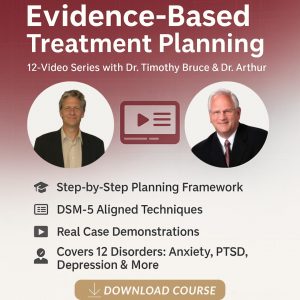
Evidence-Based Treatment Planning: 12-Video Series Original price was: $589.00.Current price is: $119.95.
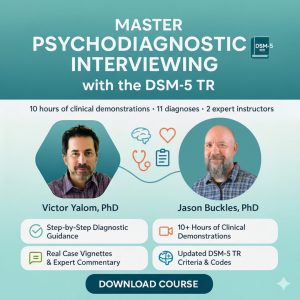
The DSM-5 and Psychodiagnostic Interviewing, with TR Updates Original price was: $180.00.Current price is: $94.95.
Transforming the Living Legacy of Trauma with Janina Fisher, PhD: Tools for Survivors and Therapists Original price was: $310.00.Current price is: $94.95.
Codependency Treatment Course: Clinical Tools for Boundaries, Self-Reliance, Trauma Healing, and Balanced Relationships Original price was: $640.00.Current price is: $104.95.
APA Annual Meeting On Demand 2025 Original price was: $699.00.Current price is: $144.95.